ایران پس از ۴۷ سال تحریم چه به دست آورد و جهان عرب چه کرد؟ نگاهی آماری و مقایسهای
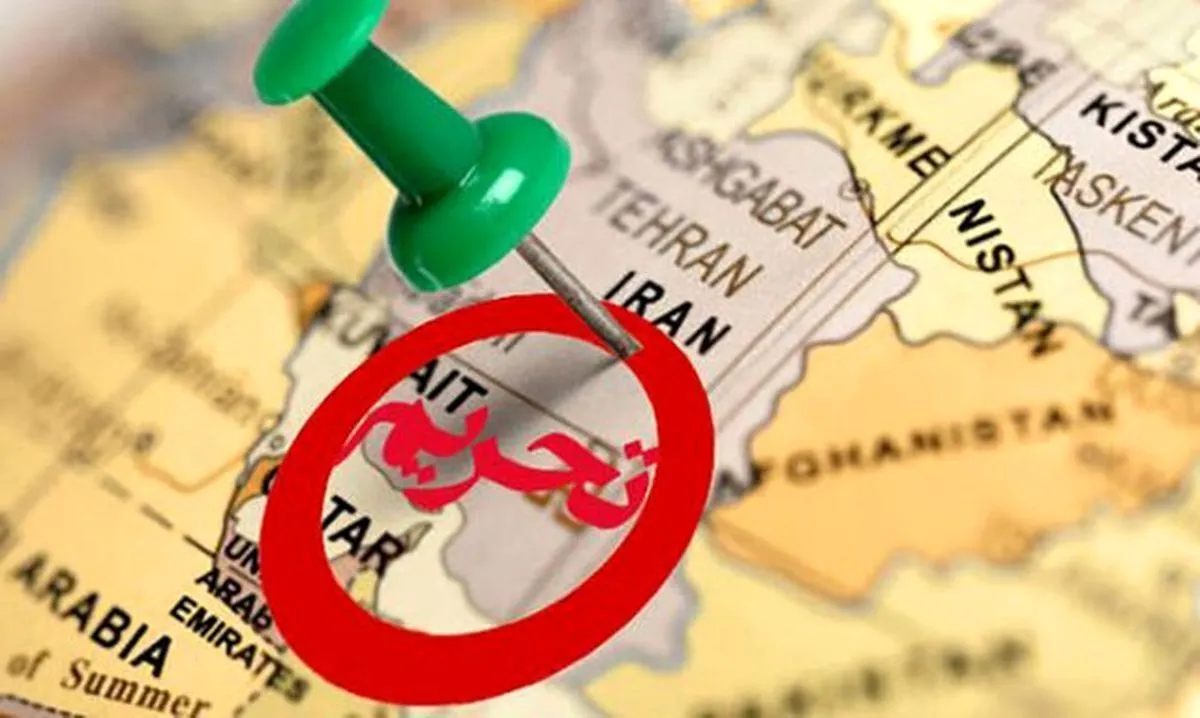
گروه بین الملل: با گذشت ۴۷ سال از انقلاب ۱۳۵۷ ایران، این کشور بخش قابل توجهی از دوران خود را تحت تحریمهای گسترده بینالمللی سپری کرده است. با این حال، بررسی برخی شاخصهای علمی، صنعتی و اقتصادی نشان میدهد ایران در شماری از حوزهها به پیشرفتهایی دست یافته است. در مقابل، این پرسش مطرح میشود که کشورهای عربی با وجود منابع عظیم مالی و طبیعی، تا چه اندازه توانستهاند به توسعه پایدار و استقلال تولیدی برسند؟
رشد علمی و دانشگاهی
به گزارش بولتن نیوز بر اساس دادههای پایگاه بینالمللی SCImago Journal & Country Rank، ایران از رتبه ۵۲ جهان در تولید مقالات علمی در سال ۱۹۹۶ به رتبه ۱۵ در سال ۲۰۲۳ رسیده است. همچنین ایران در حوزه فناوری نانو طی سالهای اخیر جزو کشورهای فعال جهان بوده است.
منبع: SCImago Journal Rank / StatNano
همچنین طبق گزارشهای رسمی، دانشگاههای ایران سالانه دهها هزار فارغالتحصیل مهندسی وارد بازار کار میکنند.
منبع: UNESCO / وزارت علوم ایران
خودکفایی در دارو و کشاورزی
بر اساس آمار وزارت بهداشت ایران و برخی گزارشهای بینالمللی، حدود ۹۷ تا ۹۸ درصد داروهای مورد نیاز کشور از نظر تعداد در داخل تولید میشود؛ هرچند از نظر ارزش مالی، بخشی از مواد اولیه و داروهای تخصصی همچنان وارداتی است.
منبع: وزارت بهداشت ایران / WHO Reports
در حوزه کشاورزی نیز ایران در برخی سالها به مرز خودکفایی در تولید گندم رسیده، اگرچه این وضعیت بسته به شرایط اقلیمی و خشکسالی متغیر بوده است.
منبع: FAO / وزارت جهاد کشاورزی ایران
صنعت فضایی و انرژی
ایران از سال ۲۰۰۹ تاکنون چندین ماهواره بومی را با پرتابگرهای داخلی به فضا فرستاده و در جمع کشورهای دارای توان پرتاب ماهواره قرار گرفته است.
منبع: UNOOSA / خبرگزاریهای بینالمللی
در حوزه انرژی هستهای نیز ایران توانسته چرخه سوخت هستهای را توسعه دهد و تأسیسات غنیسازی و نیروگاه بوشهر را گسترش دهد.
منبع: IAEA Reports
جهان عرب؛ ظرفیت بالا، وابستگی ادامهدار
کشورهای عربی مجموعاً بیش از ۴۵۰ میلیون نفر جمعیت و تولید ناخالص داخلی چند تریلیون دلاری دارند. با این حال، بر اساس گزارشهای سازمانهای بینالمللی، بسیاری از این کشورها همچنان وابستگی بالایی به واردات غذا، دارو، فناوری پیشرفته و تجهیزات نظامی دارند.
منبع: بانک جهانی / Arab Monetary Fund / SIPRI
مقایسه ایران و جهان عرب را نمیتوان بهصورت مطلق و سادهسازیشده تحلیل کرد، زیرا هر کشور شرایط سیاسی، جمعیتی و تاریخی متفاوتی دارد. اما آنچه روشن است، توسعه پایدار بیش از آنکه به میزان ثروت وابسته باشد، به سیاستگذاری، سرمایهگذاری در آموزش، حمایت از تولید داخلی و اراده ملی بستگی دارد.
گزارش منتشره ارتباط از متن انگلیسی زیر می باشد
Forty-seven years have passed since the Iranian Revolution, spent under the harshest sanctions regime the modern era has known. So what did it achieve? And what have we achieved?
*First: In the field of science and knowledge*
Iran jumped from 52nd globally in scientific publishing in 1996 to 15th globally in 2023, according to SCImago. On its own, it has surpassed the combined output of Turkey, Egypt, and Saudi Arabia in nanotechnology research. Its universities now graduate more than 40,000 engineers annually, and it has become the fourth country in the world in the field of stem cells.
*Second: In the field of self-sufficiency and sovereignty*
A besieged country managed to achieve
90% self-sufficiency in wheat, and 98% in drug production after it used to import 70% of its needs 30 years ago. It turned the blockade into an incentive, building a pharmaceutical industry that now exports to more than 50 countries.
*Third: In the fields of space and energy*
From scratch, Iran launched 13 satellites with local hands, and became the ninth country in the world to join the space club. In peaceful nuclear energy, it built its reactors and its fuel despite all pressures, to secure the future of its generations.
*And now, let us look at the broad Arab scene from the Ocean to the Gulf:*
450 million Arabs, with a GDP exceeding $3.5 trillion. Wealth below the ground and above it. So what was the developmental outcome?
With all respect for efforts here and there, the bigger picture is painful:
A feverish race to build the tallest towers and biggest malls, and boasting about dairy factories, soft drinks, and ice cream.
Investments worth billions of dollars in buying European clubs and football stars, while Arabs import 80% of their medicine, 90% of their weapons, and 60% of their food.
*The paradox that pains the mind:*
A besieged state built a satellite, while a wealthy region has not made a syringe needle without a foreign license. A state under sanctions achieved self-sufficiency in wheat, while Arabs import wheat to make bread and then boast about the quality of the packaging.
The lesson is not in praising Iran or condemning Arabs. The lesson lies in one central question:
*Why did the besieged succeed, and the blessed fail?*
The answer, in short:
Political will. Iran made one decision: We will not be dependent. While the other side’s decision was: We will not be producers.
Sovereignty is not bought with arms deals, nor built with football stadiums. Sovereignty is seized through free decision-making, real education, and the belief that dignity begins with the loaf of bread you grow with your own hands.
_Shared/Forwarded._
---
شما می توانید مطالب و تصاویر خود را به آدرس زیر ارسال فرمایید.
bultannews@gmail.com